Global Issues & Solutions
Early Warning Systems: Africa’s Crucial Defense Against Climate Hazards
By Adil Kome
In March 2019, as Cyclone Idai tore through southern Africa, over 1,000 lives were lost, and $2 billion in property vanished. Just four years later, Cyclone Freddy — of similar strength — claimed a much lower number of 187 lives in Mozambique. What changed? The answer: an effective Early Warning System (EWS).
Understanding the Storm Before It Hits
Africa is no stranger to the harsh realities of climate change. From prolonged droughts in the Sahel to deadly floods in West Africa and cyclones on the southeastern coast, the continent experiences it all. According to the IPCC, climate-related hazards could affect up to 90% of Africa’s population by 2050. Yet only 40% of Africans are protected by any form of EWS. This is not just a statistic — it’s a call to action.
What Makes an Early Warning System Work?
An effective EWS is not just about technology or forecasts — it’s a full cycle, consisting of four crucial components:
- Risk Knowledge: Understanding who and what is at risk. This means collecting data on vulnerabilities, mapping hazard zones, and learning from past disasters.
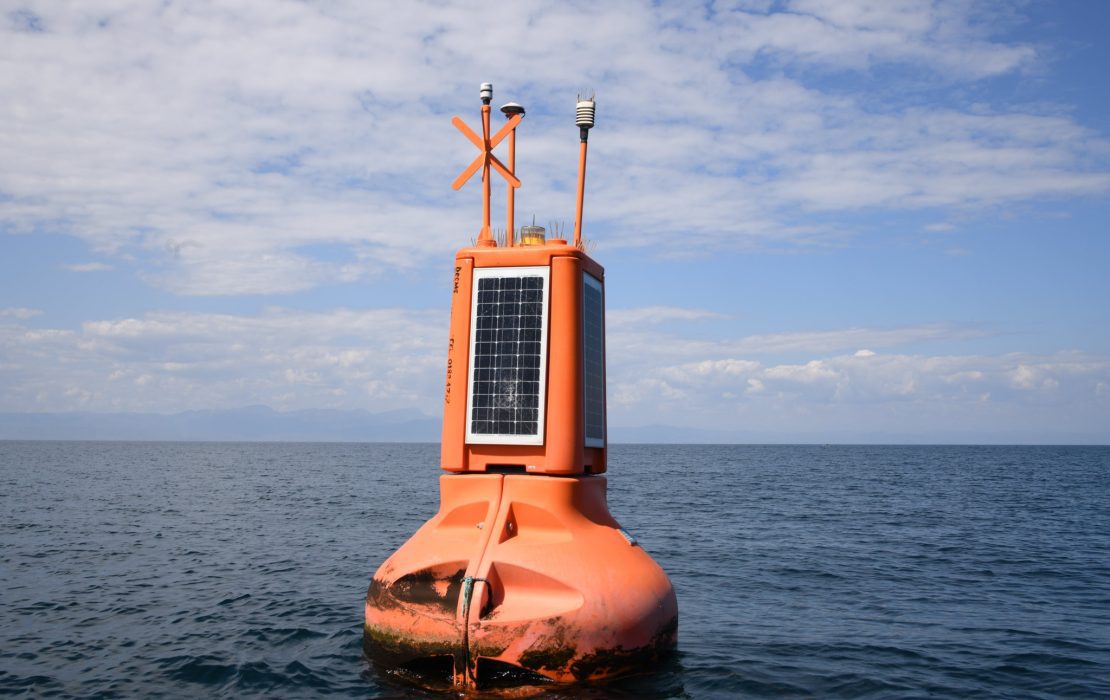
- Monitoring & Forecasting: Using science and technology to detect threats in time — from rainfall sensors to satellite imagery.
- Communication Systems: Timely alerts must reach everyone — in cities, rural areas, and coastal villages — through radio, SMS, or even community messengers.
- Preparedness & Response: Warnings are useless without readiness. Community drills, shelters, trained volunteers, and evacuation plans are essential.
These four pillars were all in place during Cyclone Freddy in 2023. In contrast, Cyclone Idai in 2019, despite early detection, saw a tragic loss of life due to poor communication and lack of community preparedness.
The Drought Crisis: A Silent Emergency
Unlike cyclones or floods, drought creeps in silently. It is the most devastating hazard in Sub-Saharan Africa, responsible for over 88% of all disaster-affected populations on the continent. Yet only Lesotho and Mali have reliable drought EWSs. A major gap lies in the exclusion of indigenous knowledge — the local understanding of seasonal patterns, crop behaviour, and water cycles. Ignoring these insights weakens the system. Empowering communities through integrated traditional and scientific approaches is not just respectful — it’s practical. Indigenous communities have gathered extensive knowledge over many generations regarding weather patterns and their local effects, environmental signs for predicting weather events, and traditional methods for managing droughts. This knowledge can enhance early warning systems by making forecasts more locally relevant and acceptable, offering detailed weather data that conventional weather stations might miss, and improving the cultural suitability of warning communications. Successfully integrating Indigenous Knowledge with scientific methods can be achieved by using artificial intelligence technologies to capture and represent the comprehensive nature of Indigenous Knowledge and involving Indigenous experts in the process of reconciling forecasts.
Learning from Bangladesh: A Beacon of Progress
On the other side of the world, Bangladesh has transformed from a nation plagued by deadly cyclones to a global leader in EWS. After the 1970 Bhola cyclone, which killed over 500,000 people, the country invested heavily in risk knowledge, forecasting systems, shelters, and a vast network of trained volunteers. These volunteers, mostly women, are trained within the Cyclone Preparedness Program (CPP) and other initiatives to disseminate early warnings, help in evacuations, and provide crucial support during and after disasters, ensuring that early warnings reach vulnerable populations, including those who are homebound, illiterate, and lack access to technology. When Cyclone Amphan struck in 2020, despite being massive, the death toll was significantly lower at 26. This is a story of what long-term investment, political will, and community involvement can achieve.
Africa’s Road Ahead
Africa’s climate hazards don’t stop at national borders — and neither should the solutions. Regional cooperation, international funding, and locally owned early warning strategies are vital. The African Union’s adoption of the “Early Warnings for All” action plan is a positive step, but execution on the ground is where it will be tested.
Why This Matters — Now More Than Ever
The question is no longer whether climate hazards will strike — they will. The question is: will we be ready?
The difference between devastation and resilience lies in one system — a system that warns, prepares, and protects. We’ve seen what works. We’ve seen what fails. The time to act is not after the storm. It’s now.
0 Comments